

Description
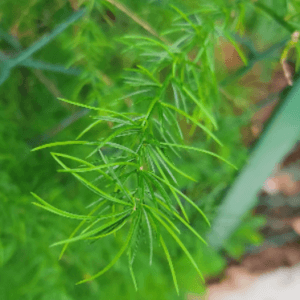
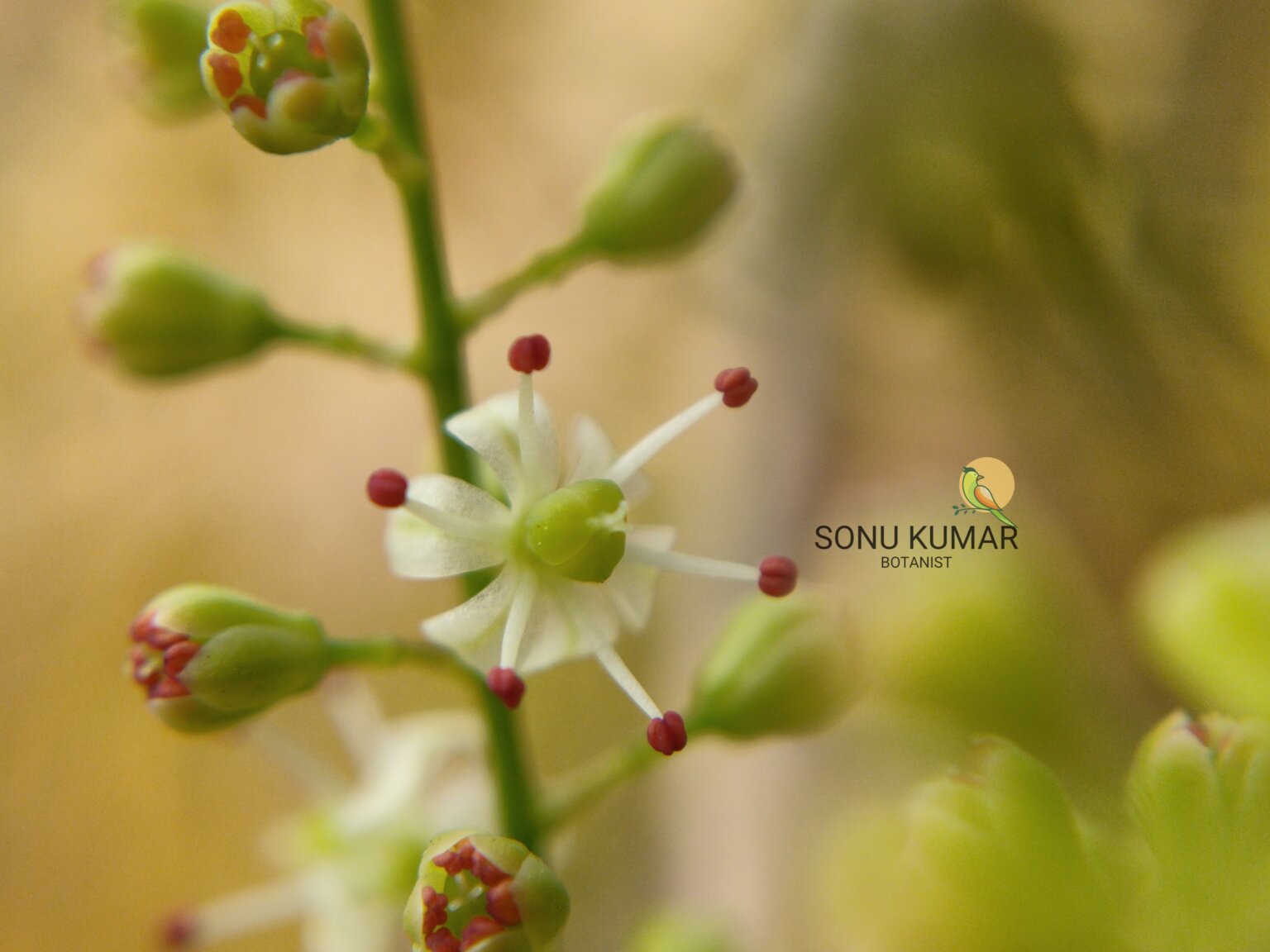
Satawari is a woody climber growing to 1-2 m in height, with leaves like pine needles, small and uniform and the flowers white, in small spikes. It contains adventitious root system with tuberous roots. Stems are climbing, branched, up to 2 m; branches usually distinctly striate-ridged. Leaves are just modified stems, called cladodes. Branches contain spines on them. Inflorescences develope after cladodes, axillary, each a many-flowered raceme or panicle 1-4 cm. Pedicel 1.5-3 mm, slender, articulate at middle. Flowers are white with a pink tinge, 2-3 mm, bell-shaped with 6 petals. Stamens equal, ca. 0.7 mm; anthers yellow, minute. Within India, it is found growing wild in tropical and sub-tropical parts of India including the Andamans; and ascending in the Himalayas up to an altitude of 1500 m. Flowering: October-November.
Medicinal uses: In Ayurvedic medicine, the root of Satavari is used in the form of juice, paste, decoction and powder to treat intrinsic haemorrhage, diarrhoea, piles, hoarseness of voice, cough, arthritis, poisoning, diseases of female genital tract, erysipelas, fever, as aphrodisiac and as rejuvinative.
Source: FOI, powo, iNat.
PC: © Sonu Kumar
Where this species has been found
Log in to add another place where you found this plant.
Phenology — when it flowers, fruits and sheds its leaves

 FloweringFruiting
 Leaf fall